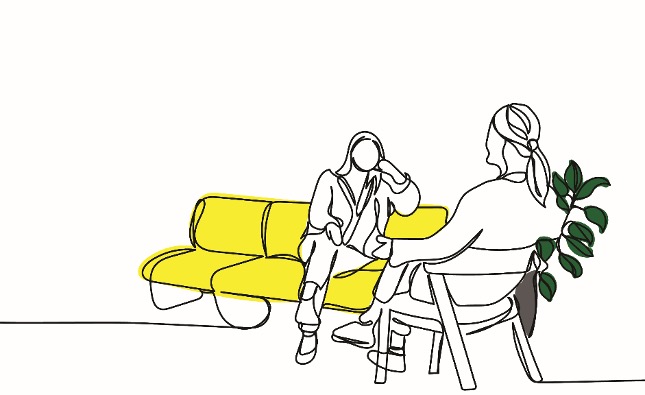
individual counselling

What Is Therapy – and Can It Help Me?

individual counselling

Are you feeling overwhelmed or stuck? Maybe life feels tough right now, or you’ve noticed patterns in how you relate to others that you want to understand better. Therapy can offer you a caring, safe space to explore your thoughts and feelings at your own pace.

What Is Therapy?

It is a confidential, supportive space where you can talk openly about what’s on your mind with someone who’s truly there to listen – without judgement or distraction. Unlike talking with friends or family, your therapist focuses entirely on you, helping you feel heard and understood in a way that’s unique to you and healing.

When Is it Useful?

People come for all kinds of reasons. This can include:

  • Struggling with emotions like anxiety, sadness or anger

  • Wanting to understand and improve their relationships

  • Healing from past hurts, trauma or difficult experiences

  • Navigating life changes or stressful times

  • Finding more self-acceptance and inner peace

Sessions can also be a place where you feel truly seen and supported – a chance to reconnect with parts of yourself you might have lost touch with.

How Does it Work?

Usually, it involves meeting once a week for about 50 minutes, often at the same time and place. But it can also be flexible; some people prefer fortnightly sessions or online meetings, and you can always chat with your therapist beforehand to find what feels right for you.

Before starting, therapists typically agree on a plan with you, including how you’ll work together, confidentiality, and how to handle breaks or ending therapy.

Different Kinds of Therapy

There are many types of talking therapy. Some, like integrative therapy, blend different approaches and adapt to what works best for you. Others, like Cognitive Behavioural Therapy (CBT), tend to be more structured and focused on specific short-term goals.

Remember, the titles counsellor, therapist and psychotherapist often overlap, and many offer both short- and long-term support. Feel free to ask about what’s best for you.

Finding the Right Therapist

It’s important you feel comfortable with your therapist. If you don’t, that’s okay – finding the right fit can take time, and you deserve to be with someone who feels right for you.

Helpful Resources

If you want to learn more about therapy or find accredited therapists in the UK, these websites are great places to start:
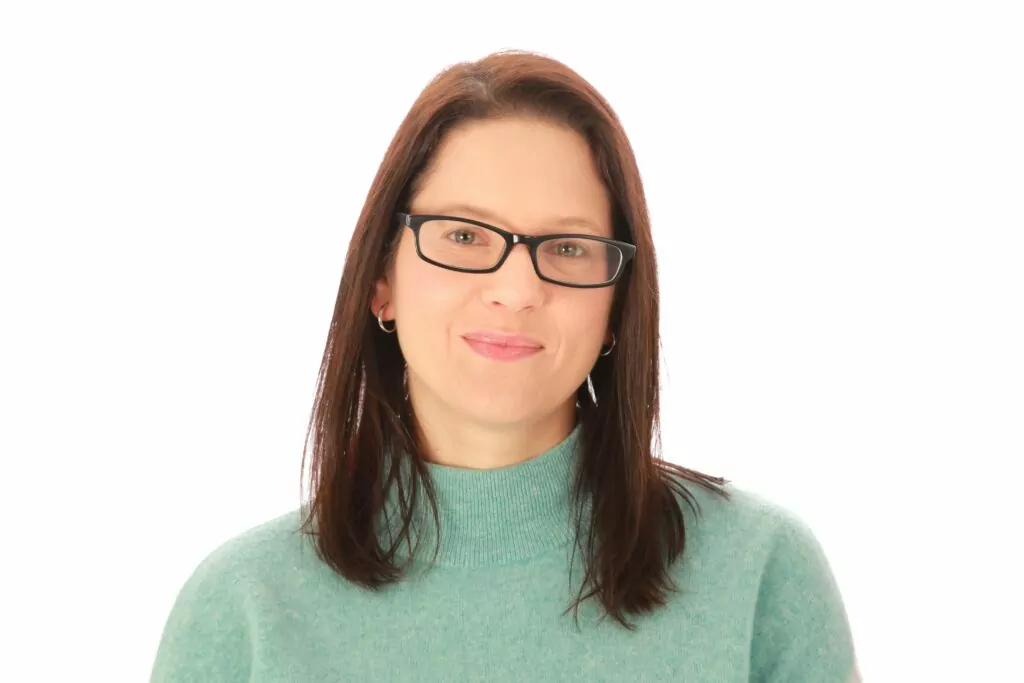
Karlene Golding

About Karlene Golding

Karlene Golding is a warm, compassionate, BACP-registered integrative therapist based at Dulwich Therapy Rooms in East Dulwich. She has supported many people through private

 practice, the NHS and low-cost counselling services.

If you feel therapy might help you, Karlene would be happy to welcome you to explore this journey together. Please contact Dulwich Therapy Rooms for more information.

Keywords: What is therapy, benefits of therapy, talking therapy, finding a therapist, integrative therapy, counselling East Dulwich, psychotherapy UK, mental health support, BACP therapist Dulwich
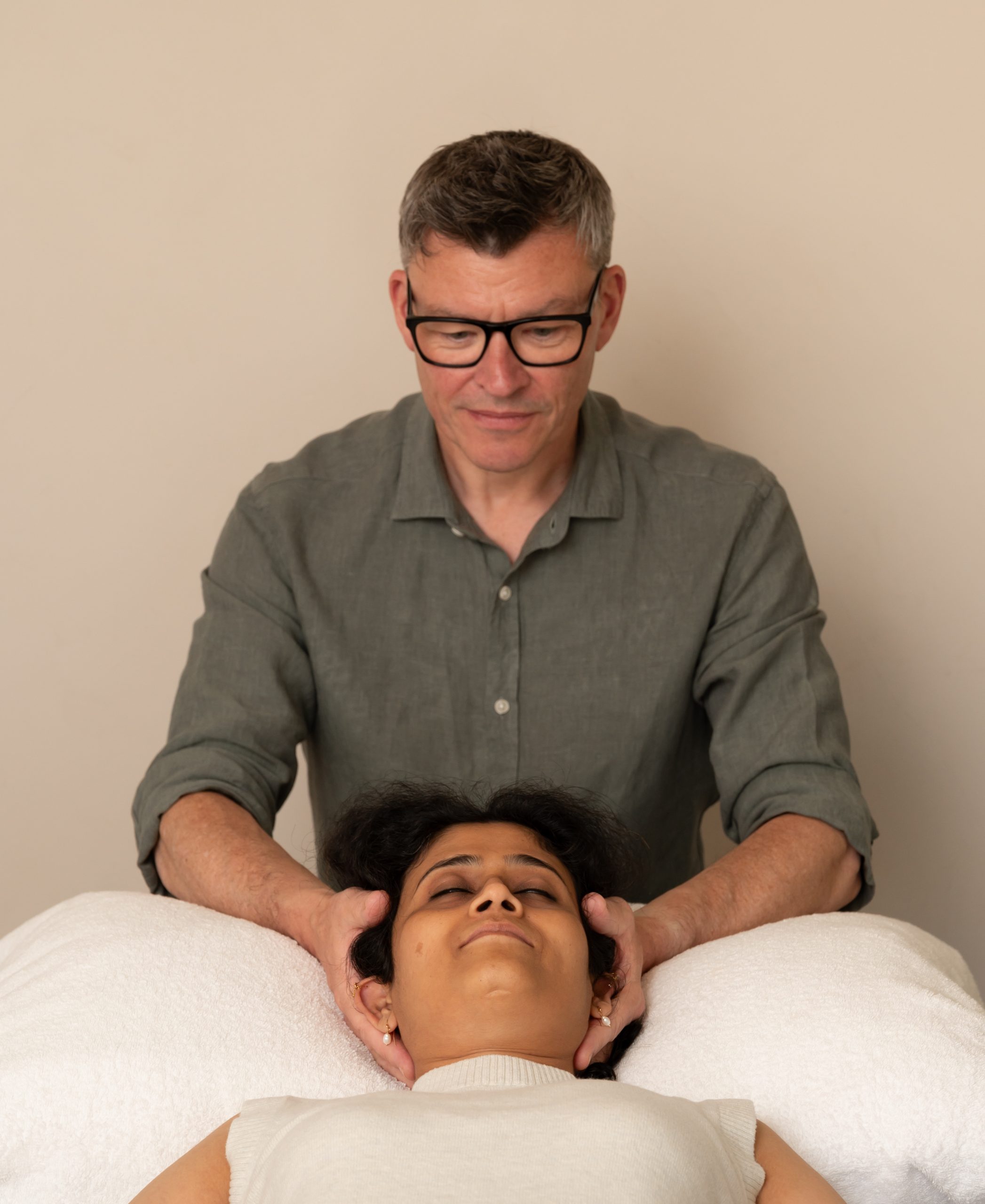
man giving osteopathy treatment to a woman holing her head while the woman is lying on a treatment table

The Tyranny of Posture. Why Chasing “Perfect Posture” Misses the Point

man giving osteopathy treatment to a woman holing her head while the woman is lying on a treatment table

We’ve all heard it: “Sit up straight!”,“Don’t slouch!”, or “Bad posture causes pain!” – But what if the idea of “good” or “bad” posture is not only outdated – it’s also unhelpful? Here is a new view of how modern osteopathy sees it.


Challenging the Posture Myth

It is time to challenge the long-held belief that posture alone causes pain or dysfunction. Research (and indeed common sense) increasingly supports the idea that there is no single ideal way to sit, stand or move. People adopt countless postural patterns—often shaped by occupation, environment, body type and even personality—and many thrive in so-called “bad” postures without issue. Pain is a complex phenomenon and is not directly related to how someone holds their body.

Focus on Adaptation and Capacity

Instead of rigid ideals, we should focus on adaptation and capacity. A healthy body is one that can move freely between different positions and handle the demands placed on it, not one locked into a textbook shape. Variability, strength, rest,and responsiveness to environmental demands matter far more than chasing symmetry or straight lines.

Osteopathy’s Perspective on Posture and Movement

This perspective is central to osteopathic thinking. Osteopathy has never been about enforcing perfect alignment. Rather, it values the relationship between form and function: how something behaves IS how something is put together, or to put it another way, behaviour is always appropriate for the configuration (think of wheels or arches). In this current body form, what are the demands being made and how well adapted is it to meet those demands. This prioritises the body’s self-healing capacities, its interconnectedness and its responsiveness to context.

The Aim of Osteopathic Treatment

The aim of osteopathic treatment isn’t to mould you into an ideal posture, but to support you and your body’s ability to adapt, recover and thrive.

A New Way to See Posture

So, next time you catch yourself slouching, remember: Posture isn’t a moral failing or a fixed blueprint. Your body isn’t broken—it’s doing what it knows. The goal isn’t perfection, it’s possibility.

About Jonathan Spadacchini

Jonathan is the Principal Osteopath at Dulwich Therapy Rooms. He brings this thoughtful, adaptable approach to supporting clients’ wellbeing through osteopathic care. You can book in with Jonathan here.

Keywords:

posture myths, good posture vs bad posture, does posture cause pain, posture and pain connection, osteopathy and posture, osteopathic treatment benefits, body adaptation and posture, natural posture variability, posture and movement health, self-healing body capacity, holistic osteopathy, adaptive body movement, posture advice debunked, healthy posture concepts, East Dulwich osteopath, Jonathan Spadacchini osteopath, osteopathy East Dulwich